
MyoSponge
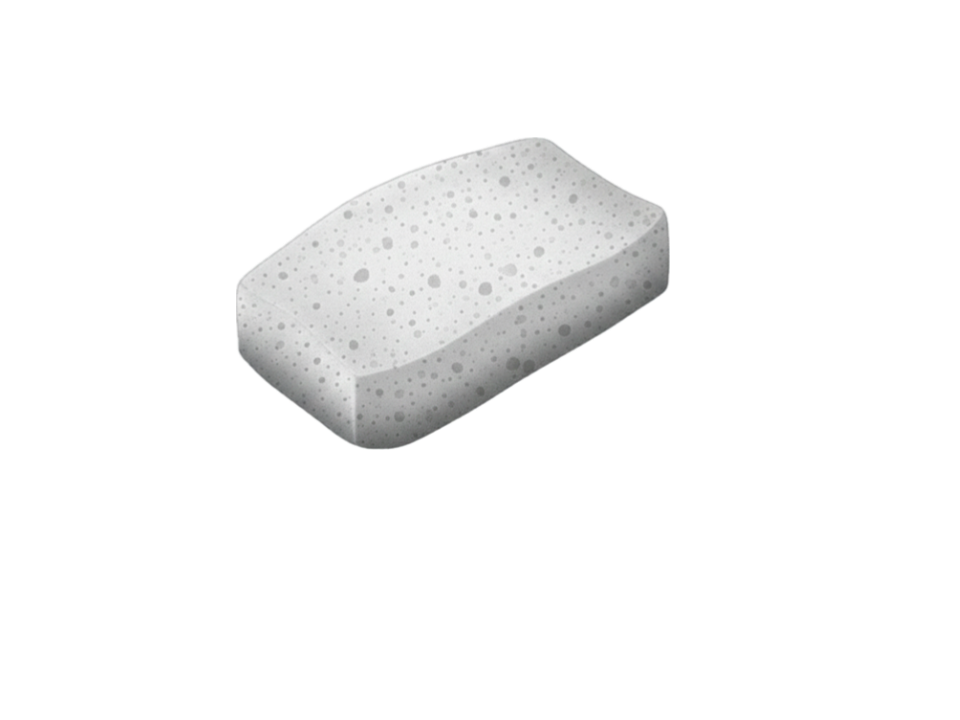
A muscle-regenerating implantable scaffold engineered to structurally support damaged tissue while the patient's stem cells migrate in, multiply, and mature into new functional muscle.
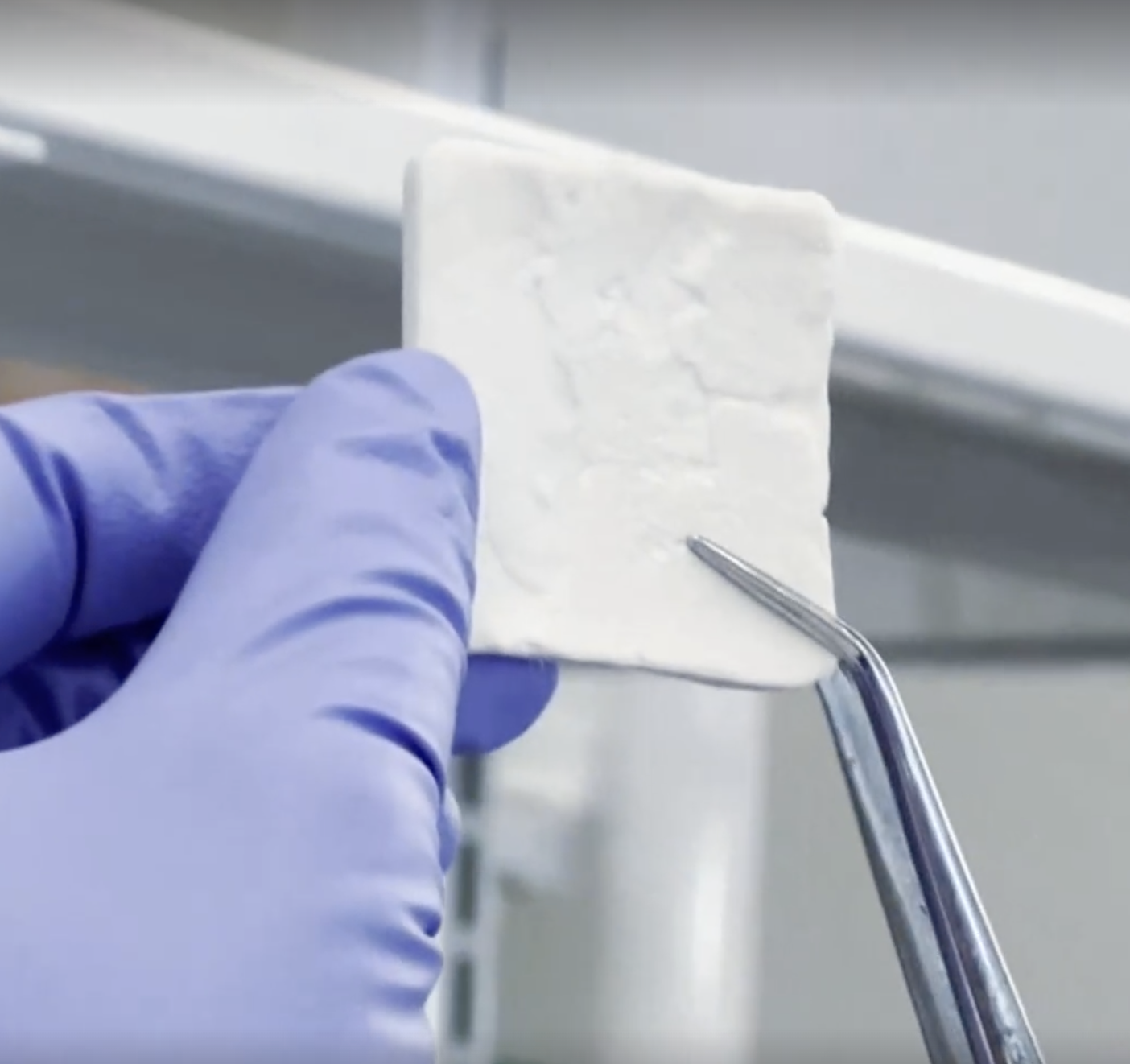
How it works
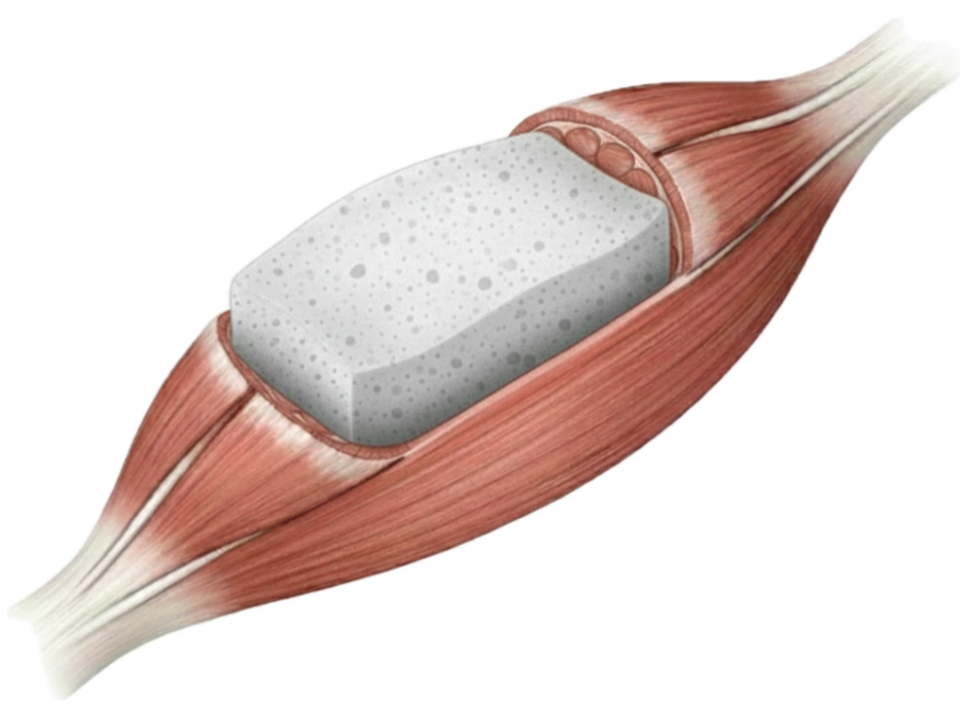
Implantation
Surgeons implant MyoSponge to structurally support damaged muscle tissue from trauma
Regeneration
Patient stem cells migrate into the scaffold, multiply and mature into new muscle
Resorption
MyoSponge gradually resorbs as functional muscle tissue forms and strength returns
Why MyoSponge Matters
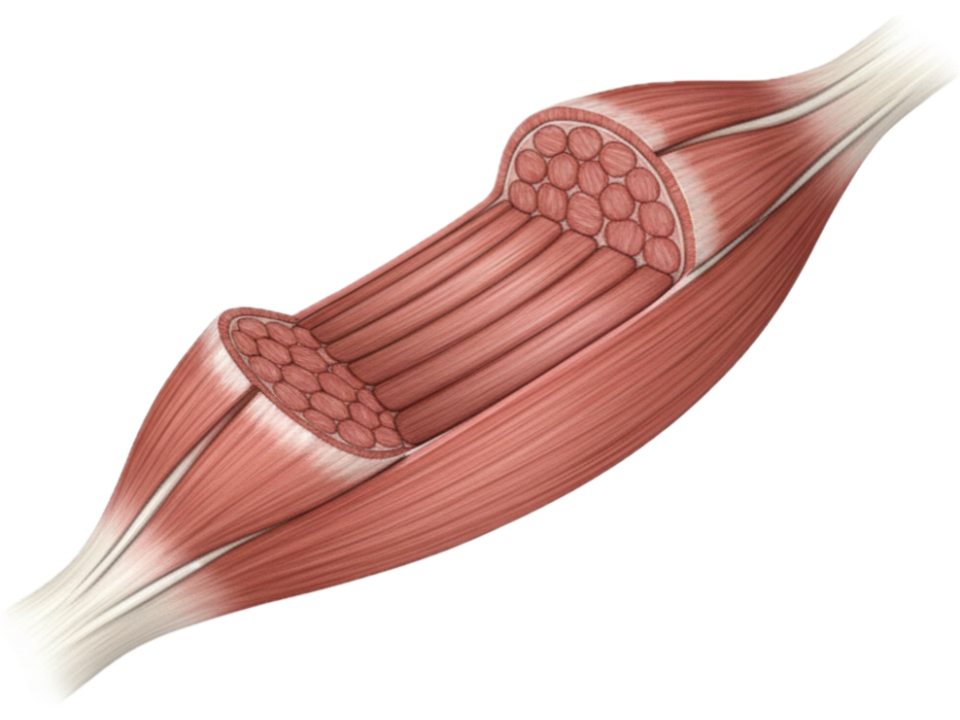
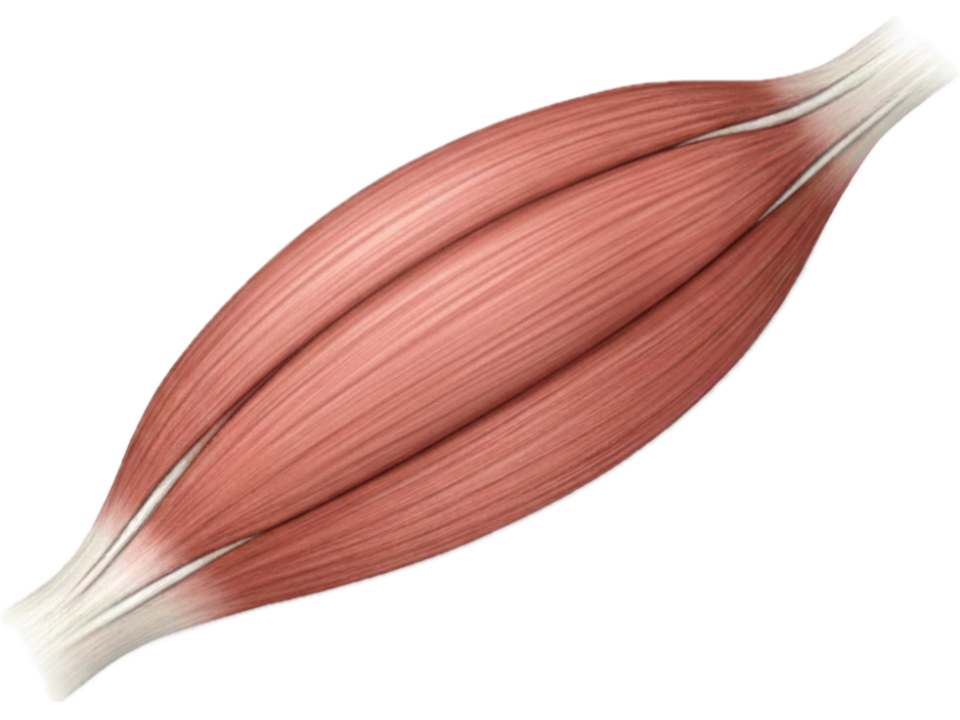
When muscle tissue is damaged through trauma or disease, the body's natural regeneration process requires an intact basal lamina to guide healing. In severe injuries, this critical layer is destroyed along with the muscle, leaving the body unable to regenerate on its own.
MyoSponge recreates the basal lamina's essential functions providing structural support, delivering biochemical signals, and creating the optimal microenvironment for patient stem cells to activate and rebuild functional muscle tissue.
By restoring this natural regenerative pathway, MyoSponge enables the body to heal injuries that would otherwise result in permanent muscle loss and functional disability.

Clinical Applications
- Compartment syndrome
- Open fractures
- Surgical tissue removal
- High-impact trauma injuries
Patient Benefits
- Increased muscle strength
- Enhanced mobility
- Improved well-being
- First product indicated for traumatic muscle loss